
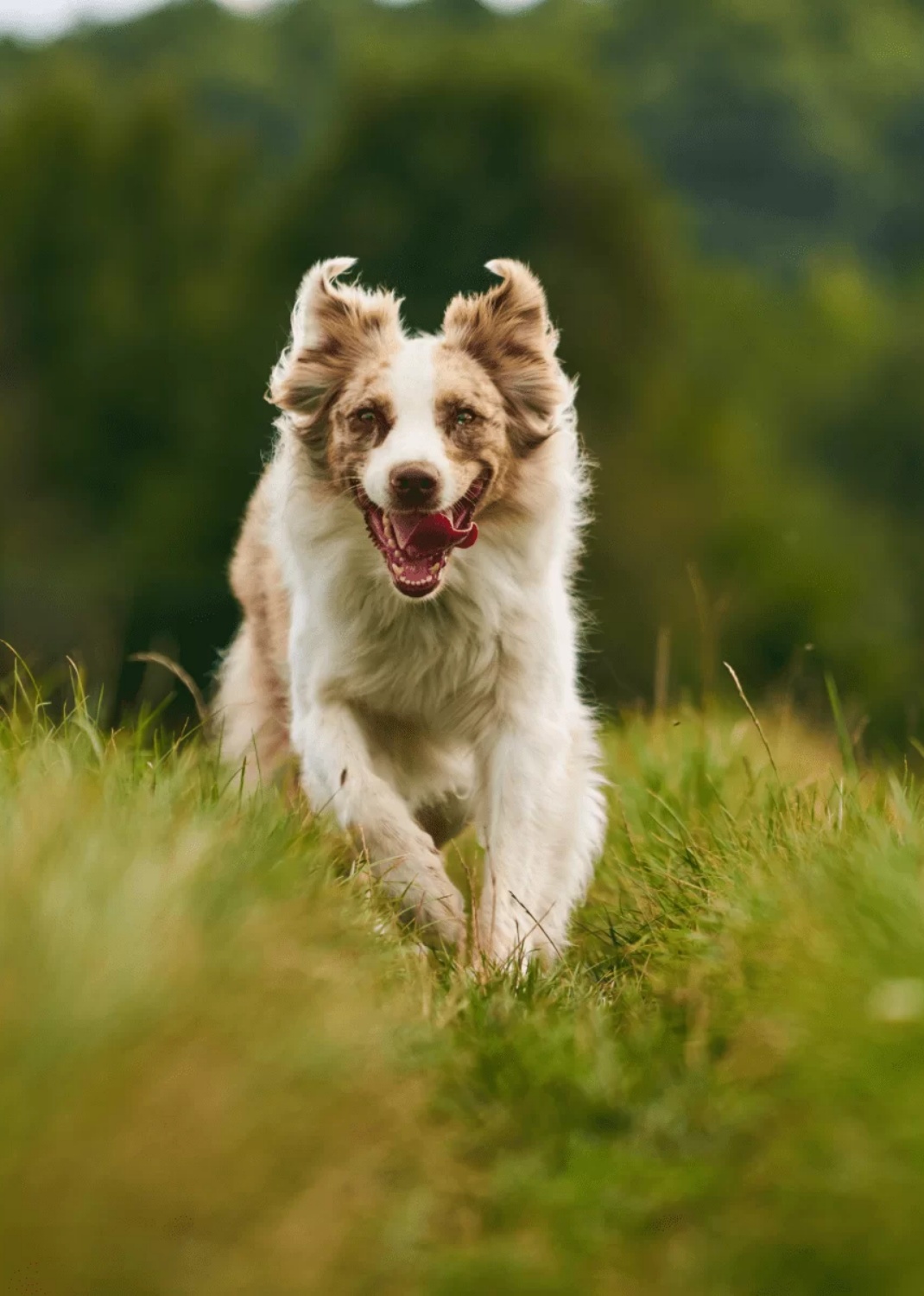
Positive reinforcement is a game changer when it comes to training dogs. This technique focuses on rewarding good behavior rather than punishing unwanted actions, creating a more enjoyable experience for both dogs and their owners. The beauty of positive reinforcement lies in its ability to foster a strong bond between you and your furry friend while effectively teaching them new skills.
One of the most significant advantages of positive reinforcement is that it builds trust. When dogs receive rewards like treats, praise, or playtime for behaving well, they learn to associate those actions with positive outcomes. This encourages them to repeat the behavior, making training sessions not just effective but also fun. Imagine your pup sitting on command and getting a tasty treat right afterward. That connection helps them understand what you want, making them more eager to please.
Training becomes a joyful experience rather than a chore. Dogs thrive on interaction and engagement, and positive reinforcement taps into that desire. When you reward your dog for following commands or displaying good behavior, it creates a sense of accomplishment for them. This excitement can transform training into a playful bonding activity, making both of you look forward to those sessions.

Timing is everything in positive reinforcement. Delivering the reward immediately after your dog performs the desired action reinforces the behavior. For instance, when your dog comes to you after being called, giving them a treat right away helps them understand that coming when called is a good thing. This instant feedback is crucial for effective training, as it clarifies what behavior is being rewarded. Consistency in timing ensures that your dog learns the rules clearly.
Every dog is unique, and positive reinforcement allows you to tailor your approach to fit their individual personality. Some dogs may be motivated by food, while others might prefer toys or verbal praise. Paying attention to what excites your dog can help you choose the right rewards. This personalization not only enhances their learning experience but also strengthens your connection, as they feel understood and valued.
Patience is also a vital part of this training method. Dogs learn at their own pace, and some may take longer to grasp certain commands. Being calm and encouraging during the learning process helps your dog feel secure. Celebrating small achievements along the way keeps both of you motivated and reinforces that learning is a positive journey.
Positive reinforcement extends beyond formal training sessions. By consistently rewarding your dog for good behavior in everyday situations, you help them understand what is expected of them. This leads to a more well-mannered pup who is a joy to have around, whether at home or out in public.
Embracing positive reinforcement not only improves your dog’s behavior but also enriches the overall experience of having a canine companion. It shifts the focus from correction to encouragement, creating a positive atmosphere for learning. This approach sets the stage for a happy, well-adjusted dog who thrives on love and guidance. With time and dedication, you’ll see the incredible benefits that positive reinforcement brings to your training routine and your relationship with your dog.